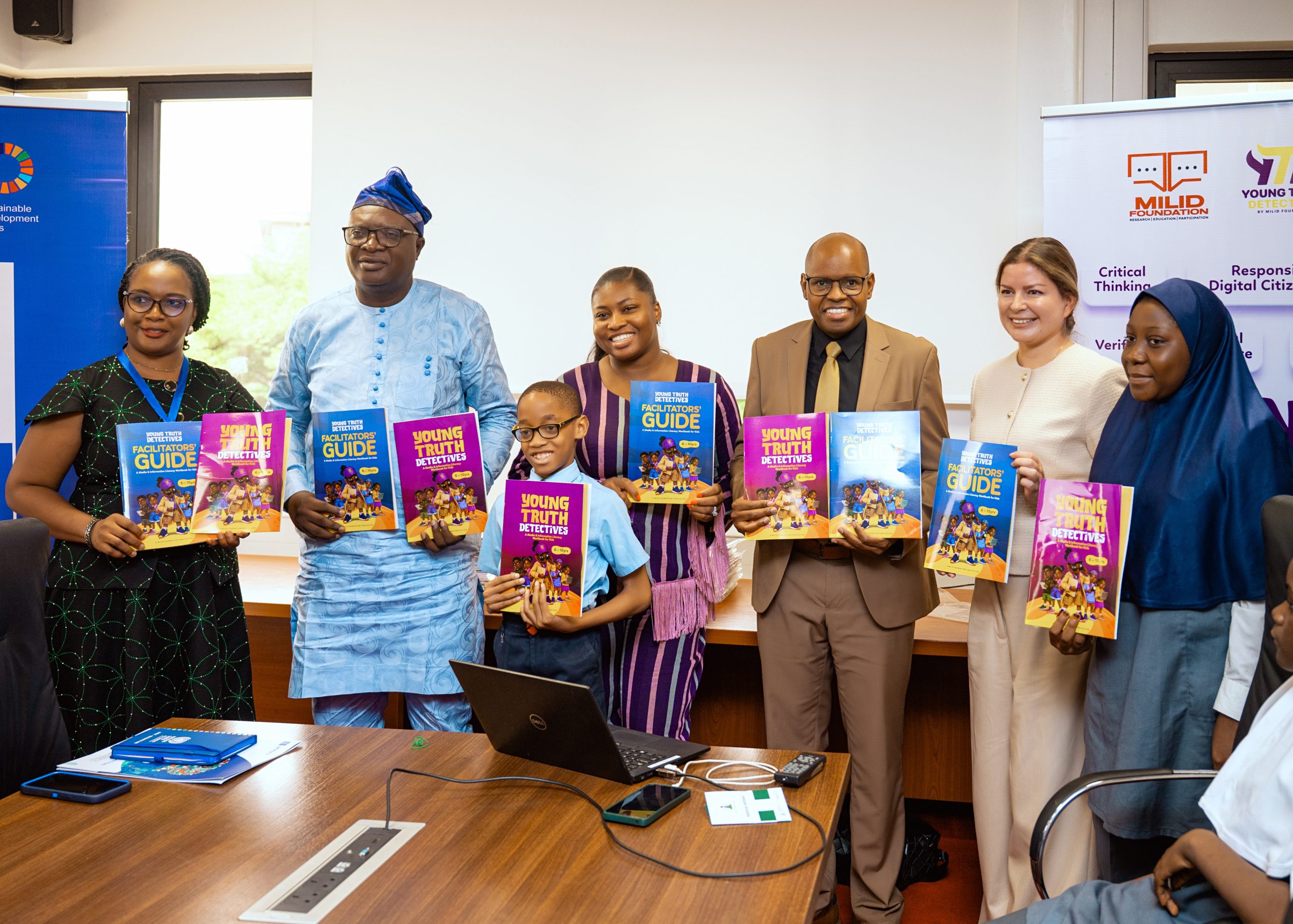
The Media and Information Literacy and Intercultural Dialogue Foundation (MILID Foundation), in partnership with UNESCO and other organisations, has launched a children’s workbook designed to equip young learners with the skills to identify misinformation, question sources and verify information before sharing it.
The workbook, titled Young Truth Detectives (YTD), targets children aged six to 10 and is accompanied by a facilitator’s guide to support the teaching of media and information literacy at home and in schools.
Launched on Thursday, October 15, 2026, the initiative seeks to introduce children to critical thinking and responsible information habits early in life, rather than wait until they have developed patterns of consuming and sharing unverified information.
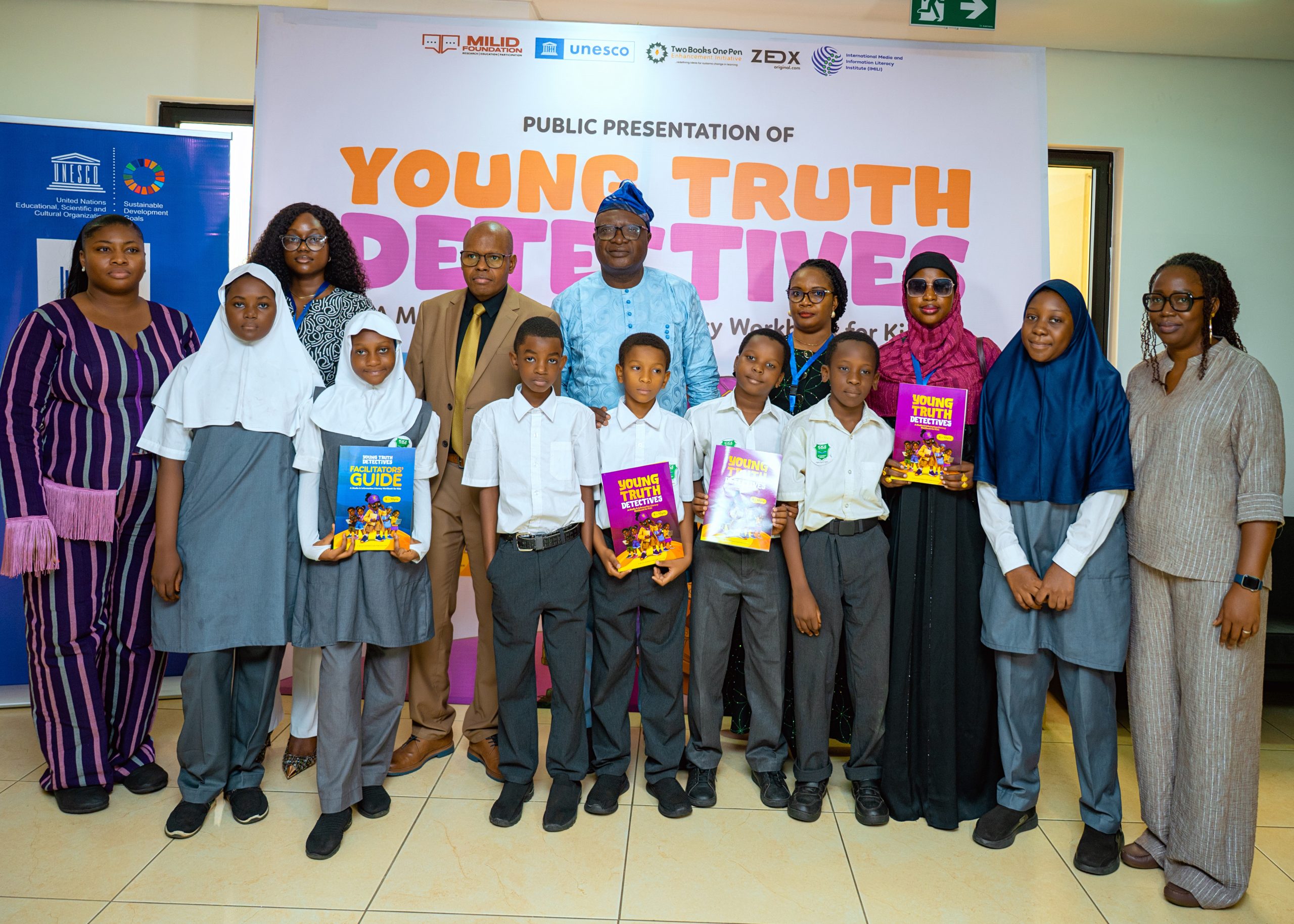
The launch was held in partnership with UNESCO’s Abuja Office, Two Books and One Pen Enhancement Initiative, the International Media and Information Literacy Institute (IMILI) and ZedX Original.
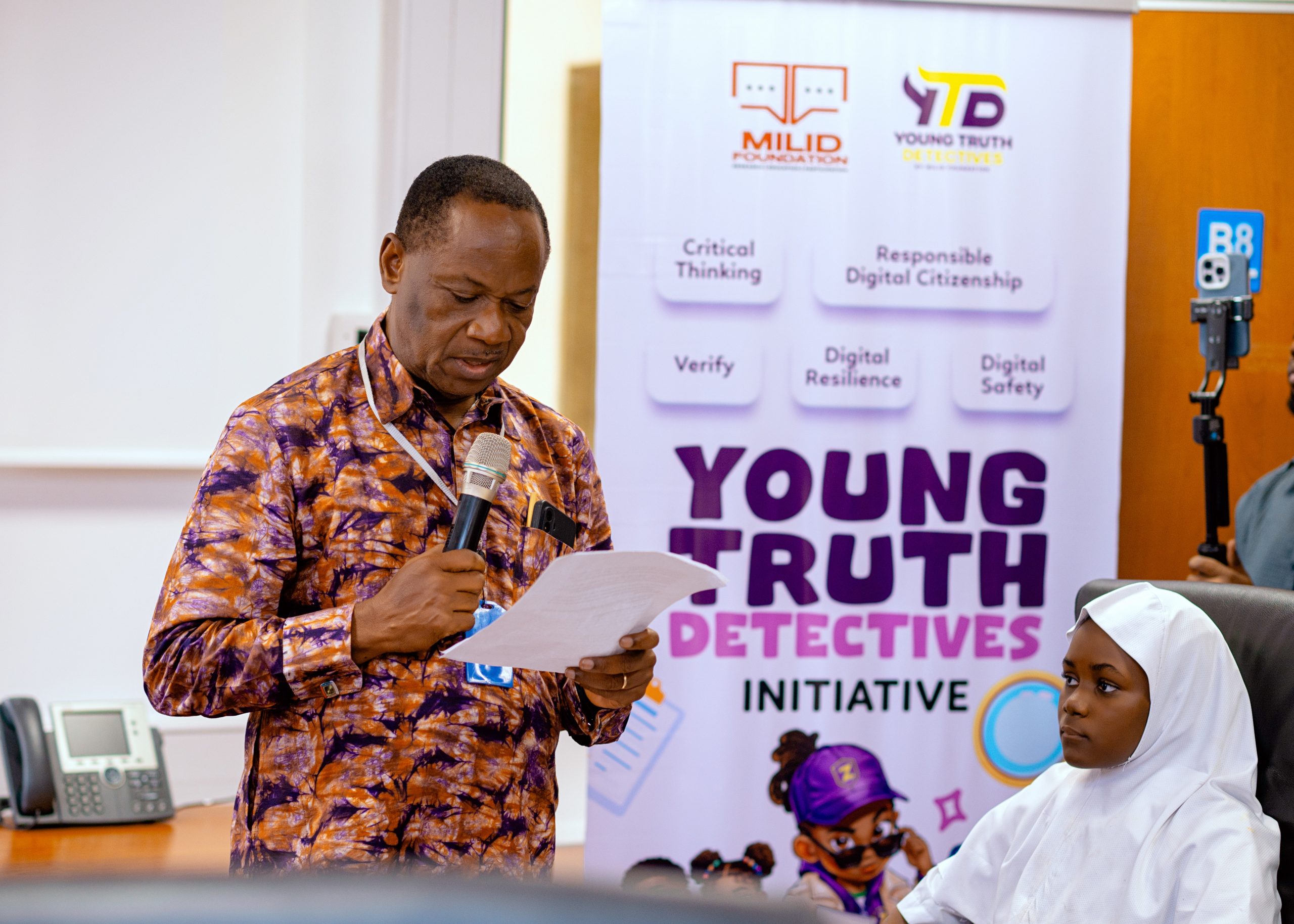
Speaking at the public presentation, Isaías Barreto da Rosa, UNESCO Representative to Nigeria and Head of the UNESCO Abuja Office, described the initiative as timely, given the growing challenges of misinformation, disinformation and hate speech.
“This is an important topic because we see today an exponential increase when it comes to fake news, hate speech, misinformation and disinformation,” he said.

He added that teaching children to question information, verify claims and avoid sharing unverified content would contribute to building a better society.
Chiamaka Okafor-Onumah, Executive Director of MILID Foundation, said the initiative was developed in response to a gap in media and information literacy interventions in Nigeria, which have largely focused on journalists, civil society organisations and older young people.
She explained that YTD adopts a ‘catch them young’ approach, introducing children to information-verification skills before harmful information habits become established.
“We no longer need to wait until habits have already been formed,” she said.
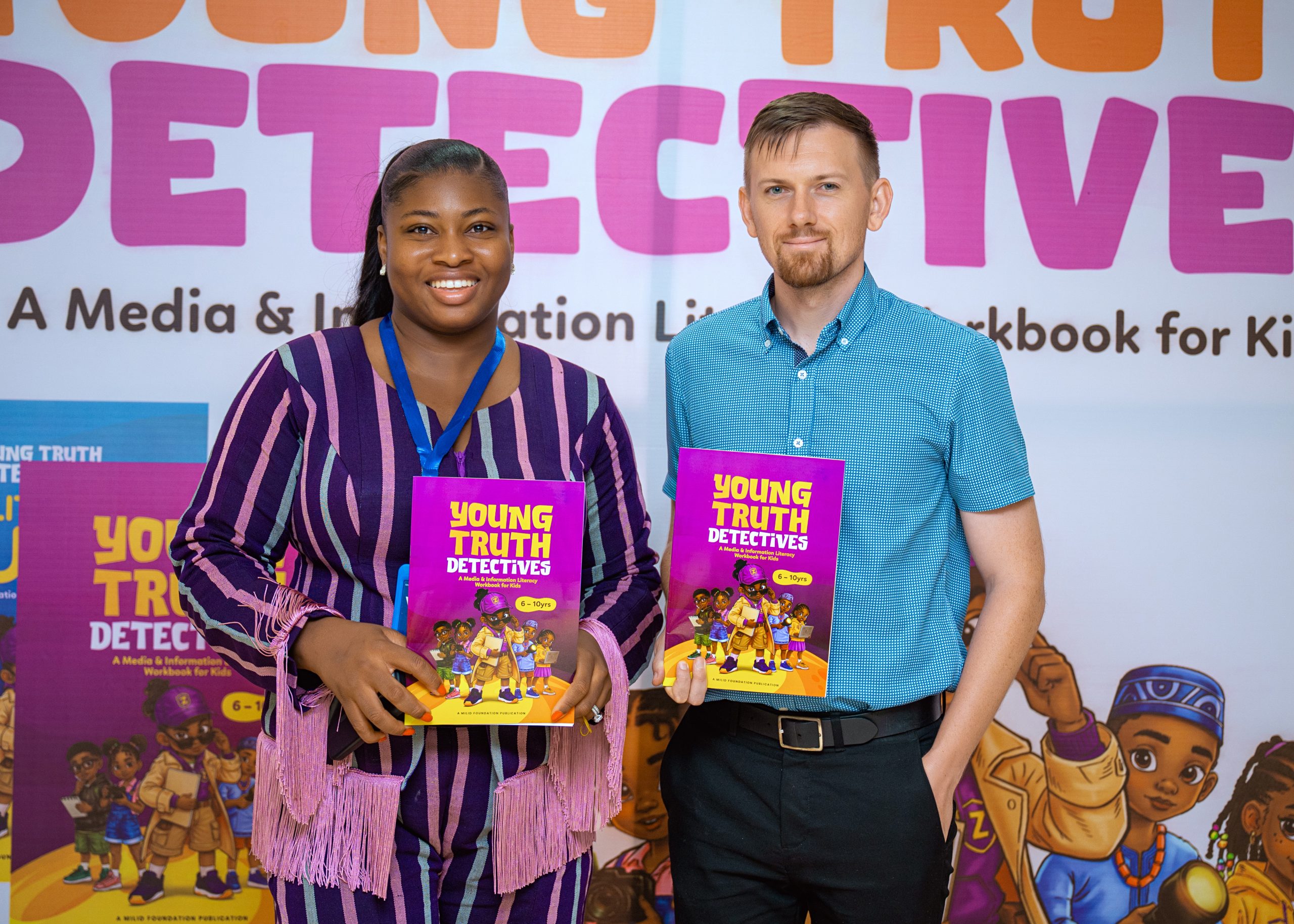
The workbook is structured around six interactive missions that guide children through understanding media and information literacy, identifying credible sources, recognising falsehoods, investigating claims and verifying information before accepting or sharing it.
Through age-appropriate activities, the resource encourages children to ask questions such as who created a piece of information, why it was produced, when and how it was shared, and whether the claims can be verified.
Sharon Omotoso, Director of the International Media and Information Literacy Institute (IMILI), called for collective efforts to protect children in an increasingly complex information environment.
She noted that children’s innocence and limited experience could make them particularly vulnerable to harmful content and manipulation in the media.
“Children are innocent in their interactions generally, and because of that, it is important for us to equip them, to arm them against many of these sinister things that happen in the media,” she said.
Pupils from ICICE Al-Noor Academy who attended the launch described the experience as exciting.
Lateefah Abdulrauf, Head of Nursery and Primary at the school, said the pupils understood that the workbook teaches them to question information, investigate its source and establish whether claims are true before sharing them.
She noted that the activities would help children develop the habit of seeking reliable information rather than accepting everything they encounter.
About Young Truth Detectives
Young Truth Detectives is a child-centred media and information literacy initiative of MILID Foundation aimed at helping children navigate an increasingly complex information environment.
Beyond the workbook, the initiative seeks to promote information integrity through interactive learning, storytelling, games, school-based activities and family engagement. It also recognises the growing influence of artificial intelligence and synthetic media, with an emphasis on introducing children to responsible technology use and age-appropriate digital literacy.
By engaging children, teachers, parents and caregivers, YTD seeks to make critical thinking and responsible information-sharing everyday skills that support children’s education, wellbeing and participation in society.